Subterranean Termite Treatment
Yards and homes in Florida with subterranean termite treatment — mound checks, baiting or exclusion plans, and prevention tips explained before treatment.
Roaches near a kitchen drain can point to activity where moisture and food residue collect. Florida Pest Pros handles Pest Control across Florida, and our crew can assess the source before recommending a treatment.
A termite bait station monitors termite activity in the ground, while liquid soil treatment applies a labeled product around a structure. If access beneath a slab is needed, slab penetration creates a route to reach soil that cannot be treated from the surface.
Certified professionals across Florida covering your full service needs.
Yards and homes in Florida with subterranean termite treatment — mound checks, baiting or exclusion plans, and prevention tips explained before treatment.
Drywood Termite Treatment in Florida — inspection, treatment options, and follow-up timing from licensed local applicators.
Yards and homes in Florida with termite inspection — mound checks, baiting or exclusion plans, and prevention tips explained before treatment.
Bed Bug Treatment in Florida — inspection, treatment options, and follow-up timing from licensed local applicators.
Yards and homes in Florida with mosquito control — mound checks, baiting or exclusion plans, and prevention tips explained before treatment.
Yards and homes in Florida with fire ant control — mound checks, baiting or exclusion plans, and prevention tips explained before treatment.
Cockroach Treatment in Florida — inspection, treatment options, and follow-up timing from licensed local applicators.
Yards and homes in Florida with rodent exclusion — mound checks, baiting or exclusion plans, and prevention tips explained before treatment.
Near Everglades National Park, our Florida crew plans Pest Control around the conditions found at each property rather than applying the same treatment everywhere. Hot, humid summers increase indoor moisture and pest activity, so we check likely entry points and moisture-prone areas before recommending work.
Clear findings matter. Florida has more than 20 established termite species, which is one reason we identify the pest before selecting a treatment.
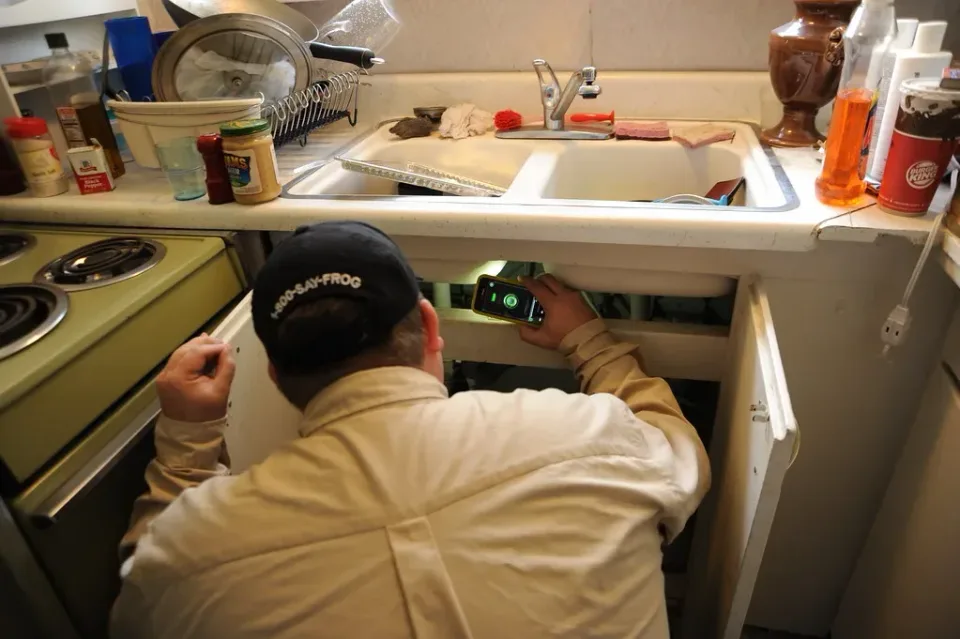
Frass is the dry, pellet-like material some wood-damaging insects leave behind; its location and appearance help direct an inspection, but it is not a diagnosis by itself. Our inspection flashlight helps us examine attic and crawlspace areas without overlooking concealed activity.
We explain what we find and what the proposed work covers. Florida Pest Pros can discuss an itemized scope for your property; call (855) 681-0299 to arrange a review.
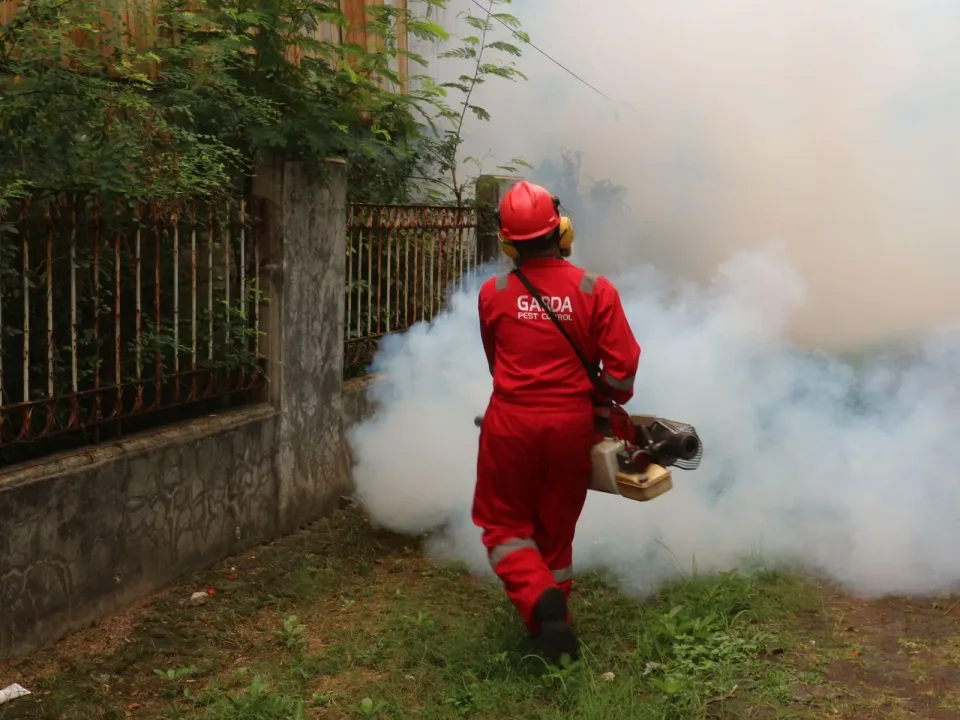
A kitchen roach, termite activity, and bites after sleep call for different inspections and treatments. We match the work to the pest and affected area, from Subterranean Termite Treatment and Drywood Termite Treatment to Bed Bug Treatment and Mosquito Control.
A termite inspection can produce a Florida Wood-Destroying Organisms Inspection Report (FDACS-13645), which records visible evidence and conditions observed at the time of inspection; it is not a guarantee that hidden activity is absent. Ask for the report and review its findings before deciding on repairs or treatment.
Any pesticide used must follow its EPA-registered label, which sets where and how it may be applied. Our recommendations account for access, drainage, and the evidence found, and we explain the proposed scope before work begins. See our Florida Pest Pros service pages for treatment details.
A treatment quote should reflect the actual work, not just a pest name. Florida Pest Pros provides clear, itemized quotes so you can see what the proposed scope includes.
A termite inspection is typically $75–$150, depending on home size and inspection scope. Subterranean termite treatment commonly falls between $500 and $2,500; foundation access and the treatment method affect the total.
Drywood termite treatment often ranges from $1,500 to $5,000, with infestation extent and whether fumigation is needed shaping the quote. Bed bug treatment is commonly $300–$1,500, based on rooms treated and repeat visits. Mosquito control generally runs $75–$150, depending on property size and visit frequency.
Those are planning ranges, not a quote for a specific property. Hot, humid summers in Florida can increase indoor moisture and pest activity, but treatment scope still depends on inspection findings and access.
Estimates vary by infestation, property access, treatment method, and site conditions; final quotes depend on an on-site assessment. Call (855) 681-0299 to discuss a property-specific quote.
Reach our Florida team or ask about coverage in other markets.
Straight answers for customers in Gainesville, FL on pricing, scheduling, and coverage.
There is no single interval that fits every Florida home; pest activity, building conditions, and the service plan all matter. Ask the technician what the visit is intended to monitor and whether conditions at your property call for a follow-up.
Subterranean termite workers build mud tubes, which are covered paths that can connect soil and wood. Do not rely on a tube alone to identify the species; photograph its location and arrange an inspection if you find one.
Yes, Florida requires applicator certification for restricted-use pesticides. The Florida Department of Agriculture and Consumer Services oversees pesticide applicator certification, and product use must also follow the applicable label.
An annual termite renewal concerns continued service or monitoring under the terms of the existing agreement; it is not automatically the same as a new treatment. Review the agreement and ask what inspections, monitoring, or conditions are included before renewing.
Kick-out holes can be an exit point for material from a wood gallery, so note the location and avoid filling or painting over it before an inspection. A technician can examine the surrounding wood and determine whether the evidence is active and what treatment, if any, fits.
Select a city to find local pest control providers we cover in Florida.
Recent pest control project photos.

Guides and tips for customers using pest control services.
Read this helpful guide.
Expert TipKnock on your doorframe and hear a hollow echo? Our Florida guide explains when termites mean repair versus replacement. Read our guide before you decide.
Expert TipTermites build mud tubes to travel from soil into your home. Learn what they mean, which treatment fits, and when to call a pro in Florida. Read our guide.