Plan Before Treatment
Before any work starts, the technician walks you through the inspection or treatment plan, discusses access needs, and explains timing. You know what will happen in your home and why before anything is applied.
Homes along the Homosassa River and near Homosassa Springs Wildlife State Park sit in some of the dampest, most pest-friendly ground in Citrus County. Hot, humid summers push moisture into wall voids and crawlspaces, and that same moisture wakes up termites, roaches, and ants. We plan every treatment around that reality.
Mild winters mean pests here never really take a season off, so our quarterly plans are built for twelve-month pressure, not a summer-only schedule.
Our team handles subterranean and drywood termite work, carpenter ant treatment, spider control, mosquito reduction, and rodent exclusion matched to how your home is actually built. Every visit starts with an inspection and a plain-language explanation of what we found.
Call (855) 681-0299 and we will set a time that works, confirm access before we arrive, and treat your home with care.
Between manatee viewing at Homosassa Springs Wildlife State Park and Homosassa River boating on a summer weekend, most folks here would rather not think about what is living in their walls. But Gulf hurricane exposure changes the math.
Storms from June through November can tear roofing and push pests indoors, and flooding often displaces rodents straight into attics and garages. We schedule follow-ups after every major storm event in the area.
Expect a confirmed appointment window, a technician who checks the perimeter and attic before treating, and a written summary of findings. Long stretches of extended heat also affect how and when we apply product, so we time applications for the cooler, calmer parts of the day. Call (855) 681-0299 to get on the schedule.
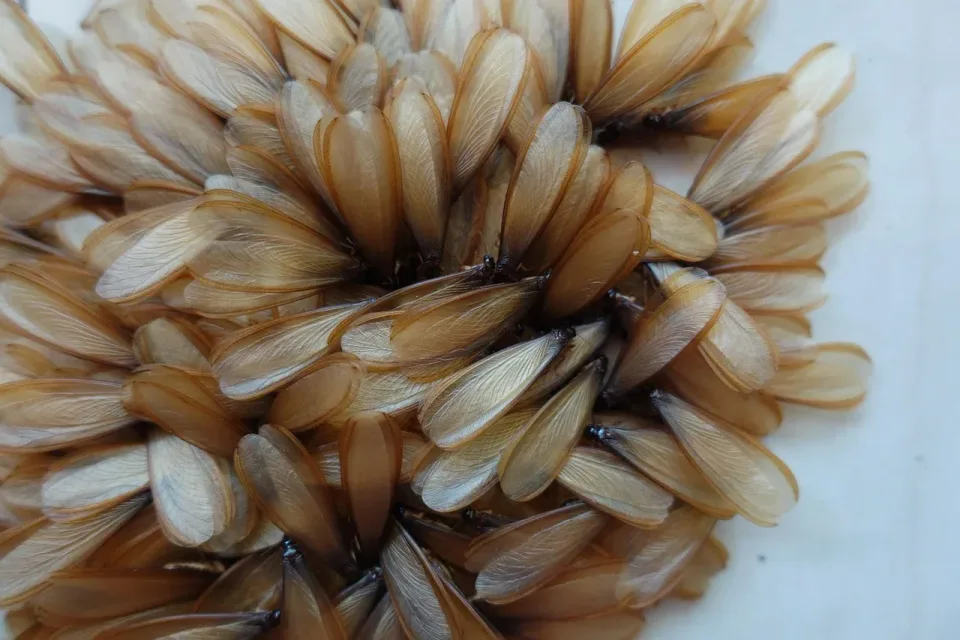
Three situations bring us to Homosassa doors most often. First, termite activity: drywood termite swarms often follow warm, humid weather, and homeowners notice discarded wings on windowsills or small frass piles below baseboards. Our crew confirms the species, checks for kick-out holes, and recommends localized treatment or fumigation based on how far the colony has spread.
Second, moisture-driven invasions. The rainy season runs May through October, and frequent summer downpours saturate the soil around foundations, pushing roaches and ants toward drier wall voids. Roaches appearing near kitchen drains after a storm is a pattern we see constantly in older ranch homes off US 19. We treat entry points and advise on drainage and ventilation fixes.
Third, rodents and spiders in raised coastal homes and screened lanais, where gaps under floors and around utility lines give easy access. Mild winters allow many pests to remain active here, so exclusion work matters more than seasonal spraying.
Quick self-check: run a flashlight along your foundation after the next heavy rain and look for mud tubes or damp wood. We cover both 34487 and 34448. Call (855) 681-0299 if you find either.
Storm surge can flood coastal properties along the Homosassa River, and a flooded home is a pest problem waiting to happen. Water-soaked insulation, damaged skirting on manufactured homes, and saturated subflooring under raised coastal houses all create entry points and food sources. After any surge event, our team inspects rooflines, soffits, and under-floor access before treating, because treating the surface while the entry points stay open wastes your money.
The other constant is temperature. Warm temperatures support year-round termite pressure here there is no winter die-off like northern states get.
That is why we favor subterranean termite treatment with in-ground bait stations and liquid soil barriers, installed per the EPA-registered termiticide label under FIFRA pesticide labeling requirements. Every product we apply is used exactly as its label directs the right rate, the right location, the right conditions. If you own a river-area home and have not had a termite check in a year, that is your cue to call (855) 681-0299.
Homeowners here deal with heat, humidity, and Gulf storms that keep pest pressure high, so the crew plans each job around those conditions.
Before any work starts, the technician walks you through the inspection or treatment plan, discusses access needs, and explains timing. You know what will happen in your home and why before anything is applied.
The company started in the Gainesville area, where heat, humidity, and rainy seasons drive termite and mosquito activity. That background shapes treatment plans suited to local homes, from older wood-frame houses to newer construction.
Florida Pest Pros holds a Florida Department of Agriculture and Consumer Services pest control operator license, carries insurance for pest-control operations, and belongs to the National Pest Management Association.
Every job follows the same path from first call to finished treatment, with the plan explained before work begins.
Call and Scheduling
You describe what you are seeing, and the office coordinates an appointment from Gainesville and routes a technician to Homosassa. You get a clear arrival window and know what the visit covers.
Inspection and Plan
The technician inspects the affected areas, identifies the pest and how it is getting in, and explains the treatment plan. You hear the scope, the access needs, and the timing before approving anything.
Treatment Application
The crew treats the agreed areas and keeps you informed as work moves along. You get reentry and ventilation instructions from the product label, plus simple prep steps like keeping children and pets away.
Follow-Up Visits
For bait stations and ongoing programs, the crew schedules follow-up inspections to check activity and refresh placements. You get a clear picture of what was found and what the next visit will cover.
Across pest control calls, the most common reasons people reach out are rodents, general pest control and ants.
A technician schedules an inspection of the unit, checks mattresses, seams, and furniture for activity, and explains what a heat treatment involves before quoting the work. The owner gets a written scope for the heat treatment and knows which prep steps tenants must complete before the crew arrives.
The technician inspects the kitchen, pantry, and exterior entry points, sets traps or bait stations where activity shows, and points out gaps that need sealing. The homeowner gets placements in the right spots and a follow-up inspection scheduled to confirm the stations are doing their job.
The technician inspects the kitchen and plumbing areas, treats the harborages and entry routes, and explains how moisture and food residue keep the population going. The homeowner gets targeted treatment where roaches travel, plus simple sanitation steps that make the kitchen less attractive between visits.
Warming soil brings termite swarms and fresh mud tube activity across Citrus County. Spring is a good time for an inspection, especially for older wood-frame homes near the water.
Frequent storms also drive pests indoors, so barrier treatments and drain-area work matter most now.
Fall is when rodents also start seeking shelter, so exterior checks pay off.
Mild Gulf Coast winters never fully stop pest activity.
Florida requires pest control operators to be licensed through the Department of Agriculture and Consumer Services. Ask for the license category so you know who is legally applying products in your home.
Treatment frequency depends on the pest, the construction of the house, and surrounding conditions. A clear schedule tells you what happens between visits and when to expect the technician back.
Prep often includes clearing stored items from treatment areas, moving pets and children away during application, and disclosing prior treatments or termite warranties before work starts.
Request a quote online or contact our Homosassa, FL team directly by phone or email.
It depends on the pest and the structure. Termite inspections generally run $75–$150 based on home size and scope, subterranean termite treatment ranges $500–$2,500 depending on foundation access and method, drywood termite treatment runs $1,500–$5,000 when fumigation is needed, and mosquito control typically costs $75–$150 per visit based on property size and frequency. Estimates vary by infestation, property access, treatment method, and site conditions; final quotes depend on an on-site assessment.
Yes. Homes in coastal Citrus County face year-round termite pressure, and a licensed WDO inspection using the FDACS-13645 Wood-Destroying Organisms Inspection Report documents any active or past termite damage for your sale contract. We check foundations, attics, and wood-to-soil contact points, then issue the report the same week.
Yes. Homosassa’s mild winters let roaches, ants, spiders, and rodents stay active all twelve months, unlike colder states where pest pressure drops off seasonally. That is why we recommend quarterly service rather than one-time treatments the pests here do not pause, so neither should the barrier around your home.
Schedule an inspection once it is safe to re-enter. Storm damage to roofs and soffits opens entry points, and flooding often displaces rodents and roaches into homes.
Our team checks rooflines, wall voids, and under-floor areas of raised coastal homes, then treats and seals what we find. Calling early before pests establish nests in damaged insulation keeps the job smaller and cheaper.
Pest Control is also available in these nearby communities across Florida.