Why Termite Wings Collect on Gainesville Windowsills, FL
What Do Termite Wings on Gainesville Windowsills Mean?
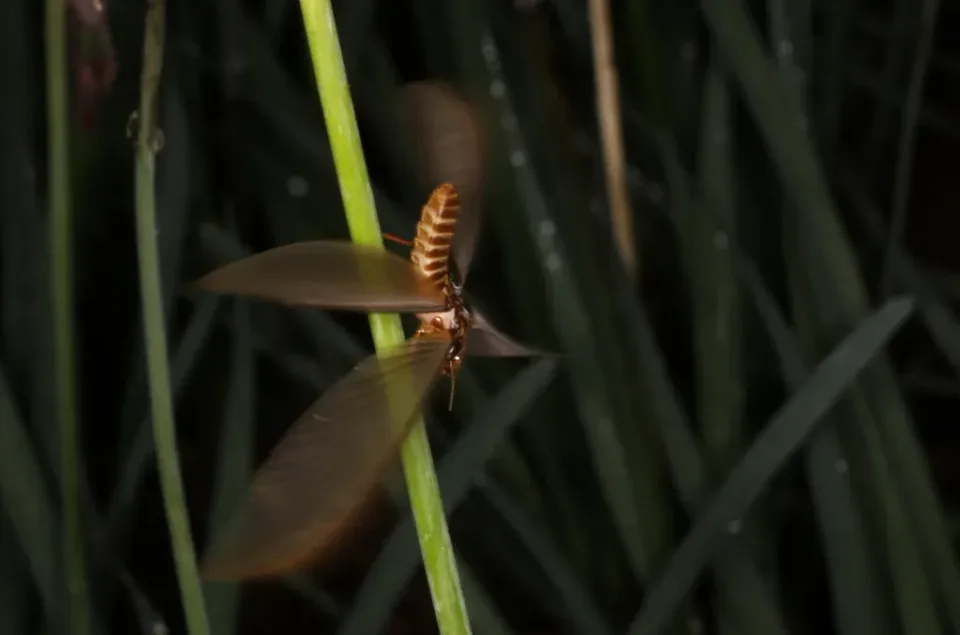
Discarded wings on a Gainesville windowsill often mean termite swarmers entered the home or emerged nearby, but the wings alone cannot show where a colony is active. Save a few, note which rooms have them, and look for other signs before deciding what to do.
During Gainesville’s rainy season, which typically runs May through October, damp conditions can make termite activity easier to notice. Our team checks the likely entry area and surrounding wood before recommending monitoring or treatment. A few wings are a clue, not a diagnosis.
Why do wings collect beside Gainesville windows?
Termite swarmers are drawn to light, so windowsills and glass doors often become the place homeowners first find their discarded wings. A pile indoors may mean the insects entered through a gap, but it can also indicate a nearby nest or activity in the structure. The location matters: wings in one room suggest a useful starting point for inspection, not proof that the colony is directly inside that wall.
We ask when the wings appeared and whether they showed up in several rooms. Warm temperatures support termite pressure throughout the year in Florida, so a sudden indoor find deserves attention even if it is not peak swarm season.
Historic Downtown Gainesville has older buildings and varied construction; in any home, checking trim, window framing, and nearby wood helps narrow down the source. Keep a sample or take a clear photo before cleaning up.
Could warm weather be the trigger?
Yes, weather can help explain the timing. The pattern is a clue, but identifying the termite type from wings alone is unreliable.
Our crew looks at the wings alongside the building and the signs around them. Wings appearing near a window after rain do not automatically mean the window is leaking or that a treatment is needed.
At the same time, repeated piles or other visible damage call for a closer look. The University of Florida’s Gainesville campus is a familiar local landmark; homes across the city still need an inspection based on their own construction and evidence, not a citywide assumption.
When should you call a pro instead of cleaning up?
If this is a single, isolated find and no other evidence is visible, you can collect the wings, photograph the sill, and watch for a repeat. A practical DIY limit is observation and cleanup, not opening walls or applying a product without knowing the target.
Call for an assessment if wings recur, appear in several rooms, or accompany damaged wood. We inspect the relevant areas and explain what the evidence supports before recommending a next step.
When monitoring is part of the plan, a follow-up visit matters: bait stations must be checked over time, and a missed check can leave activity unassessed. See our guide to hollow-sounding doorframes in Gainesville if the trim also seems weak.
How should you interpret the signs together?
Look beyond the sill. Wings combined with soft or hollow-sounding wood, bubbling paint, or mud tubes around a foundation provide more useful context than wings alone. Each sign points to a different inspection question, so note its exact location rather than treating every symptom as confirmation of the same termite type.
Gainesville’s weather can leave soil saturated after summer downpours, and moisture around a foundation is worth mentioning during an inspection. Our team checks accessible areas and discusses whether the evidence supports further investigation or a treatment plan.
For information about one common exterior clue, read what mud tubes along a Florida foundation can mean. If no other signs appear, keep the photo and date; if the wings return, share that record when arranging an inspection.
Which Termite Option Fits Wings on a Windowsill?
If wings appear on a sill but you have not confirmed activity, an inspection is the sensible starting point; treatment choices follow the findings. A home near the University of Florida, Gainesville still needs a property-specific assessment, not a campus-area assumption.
In coastal places such as the Florida Keys, flooding may displace rodents and other pests indoors, a separate issue that should not be confused with termite evidence. Here is how the termite options differ.
| Option | Best for | Key detail |
|---|---|---|
| Termite inspection | Identifying activity | Scope and home size guide the assessment; an inspection is not itself treatment. |
| Subterranean termite liquid barrier | Confirmed subterranean activity | Applied to soil; trench dimensions follow the product label. |
| Termite baiting and monitoring | Ongoing colony monitoring | In-ground station dimensions depend on the model; monitoring requires follow-up. |
| Drywood spot treatment | Localized drywood activity | Targets an identified area; inspection helps establish its limits. |
| Drywood whole-structure fumigation | Widespread drywood infestation | Treats the structure as a whole; a professional determines whether it fits. |
Ask what evidence supports the proposed option and what access or follow-up it requires.
Prepare for a Gainesville Windowsill Inspection
Start with a clear record, then make inspection areas accessible. **1.
Photograph the wings:** Take a picture in place and note the room and date so the inspector can understand the pattern. **2.
Save a sample:** Put a few wings in a small container rather than discarding every clue. **3.
Clear access:** Move stored items away from the window, nearby wood, perimeter, and utility areas you want checked. **4.
Share what you have seen:** Mention repeat sightings, prior termite treatments, and any warranty or monitoring arrangement. **5.
Confirm the plan:** Ask which areas will be inspected and whether follow-up is needed if bait stations are used. Extended heat can affect pesticide storage and application timing; our crew follows product requirements if treatment is recommended.
Apalachicola National Forest is another Florida landmark, but local site conditions not distance from a landmark guide the work.
Common questions about Pest Control in Florida
Can discarded termite wings on a
Gainesville windowsill show where the colony is?
No, discarded termite wings do not pinpoint a colony’s location. They show where swarmers shed their wings, so photograph the sill and note nearby wood or repeat sightings for a termite inspection.
How much does a termite inspection cost after wings appear on a windowsill?
A termite inspection typically costs $75–$150, depending on home size and inspection scope. Ask what areas are included, particularly if wings appeared in several rooms or access is limited.
Should I call a professional if I only find a few termite wings?
You can collect and photograph a one-time find, but call a professional if wings return or damaged wood appears. Florida Pest Pros can inspect the locations you identify and explain whether further action is supported by the findings.
What Florida rules apply if termite treatment is recommended for wings on a windowsill?
Florida Statutes Chapter 482 covers structural pest control licensing, and Florida Administrative Code Chapter 5E-14 addresses pest control. Ask who will perform the work and follow the EPA pesticide label’s use and reentry directions for any product applied.
Do I need Subterranean Termite Treatment after finding wings on a Gainesville sill?
Not necessarily; wings alone do not establish subterranean termite activity. An inspection can determine whether the evidence supports Subterranean Termite Treatment or another next step; residents familiar with Port Everglades should not treat a coastal location as a substitute for property-specific findings.
Get a Clear Answer About Termite Wings
Wings on a Gainesville windowsill often point to a termite swarm, but they do not identify the colony’s location or prove that structural damage is present. Keep a photo, note whether the wings return, and arrange a pest inspection when sightings repeat or other evidence appears.
Our inspection checks the relevant accessible areas and explains the next practical step. We also provide a pest removal service when findings call for treatment, rather than treating a windowsill pile as a diagnosis.
Everglades National Park is a well-known Florida landmark; homes across the state still need decisions grounded in what an inspection finds at that specific property. For a measured assessment, contact Florida Pest Pros at (855) 681-0299 or request a termite inspection.
Pest Control FAQs in Gainesville, FL
Can discarded termite wings on a Gainesville windowsill show where the colony is?
No, discarded termite wings do not pinpoint a colony’s location. They show where swarmers shed their wings, so photograph the sill and note nearby wood or repeat sightings for a termite inspection.
How much does a termite inspection cost after wings appear on a windowsill?
A termite inspection typically costs $75–$150, depending on home size and inspection scope. Ask what areas are included, particularly if wings appeared in several rooms or access is limited.
Should I call a professional if I only find a few termite wings?
You can collect and photograph a one-time find, but call a professional if wings return or damaged wood appears. Florida Pest Pros can inspect the locations you identify and explain whether further action is supported by the findings.
What Florida rules apply if termite treatment is recommended for wings on a windowsill?
Florida Statutes Chapter 482 covers structural pest control licensing, and Florida Administrative Code Chapter 5E-14 addresses pest control. Ask who will perform the work and follow the EPA pesticide label’s use and reentry directions for any product applied.
Do I need Subterranean Termite Treatment after finding wings on a Gainesville sill?
Not necessarily; wings alone do not establish subterranean termite activity. An inspection can determine whether the evidence supports Subterranean Termite Treatment or another next step; residents familiar with Port Everglades should not treat a coastal location as a substitute for property-specific findings.
Service Areas in Florida
Select a city to find local pest control providers we cover in Florida.
Discuss Pest Control in Florida
Share your job scope for pest control in Florida — we will review fit and pricing before scheduling.